
The Utility Review is a focused discussion to understand whether a real issue exists — and if it’s worth acting on.
Utility sensitivity: High
Primary risks: Compliance, contamination, downtime
Why system thinking matters:
Small steam deviations become audit findings — not maintenance issues.
Utility sensitivity: Medium–High
Primary risks: Fuel cost, load variation
Why system thinking matters:
Efficiency losses hide in operating habits, not equipment.
Utility sensitivity: High
Primary risks: Safety, reliability
Why system thinking matters:
Reliability depends on how margins are engineered, not rated capacity.
Utility sensitivity: Medium
Primary risks: Hygiene, consistency
Why system thinking matters:
Utilities must be predictable, not just available.
Utility sensitivity: Medium
Primary risks: Energy cost, uptime
Why system thinking matters:
Power and fuel waste accumulate quietly over time.
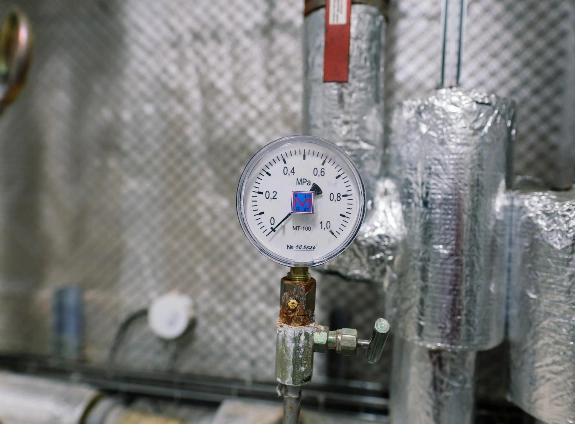
Industries differ.
Utility physics does not.
A short review costs nothing. Getting it wrong costs for years.
Complimentary review (typically part of a ₹10,000+ diagnostic exercise)

At Shreejiinc Engineering And Consultancy, we’ve been building strong relationships with clients across India for over a decade.


 +91 7798985580
 jgandhi@shreejiinc.co.in
Shed No – 60 Gajanand Inc Hub- 2 Behind Metrics Plaza, Ahmedabad, Gujarat – 382445, India
 U29299GJ2022PTC130700